NSA classified network mostly returns after three-day outage
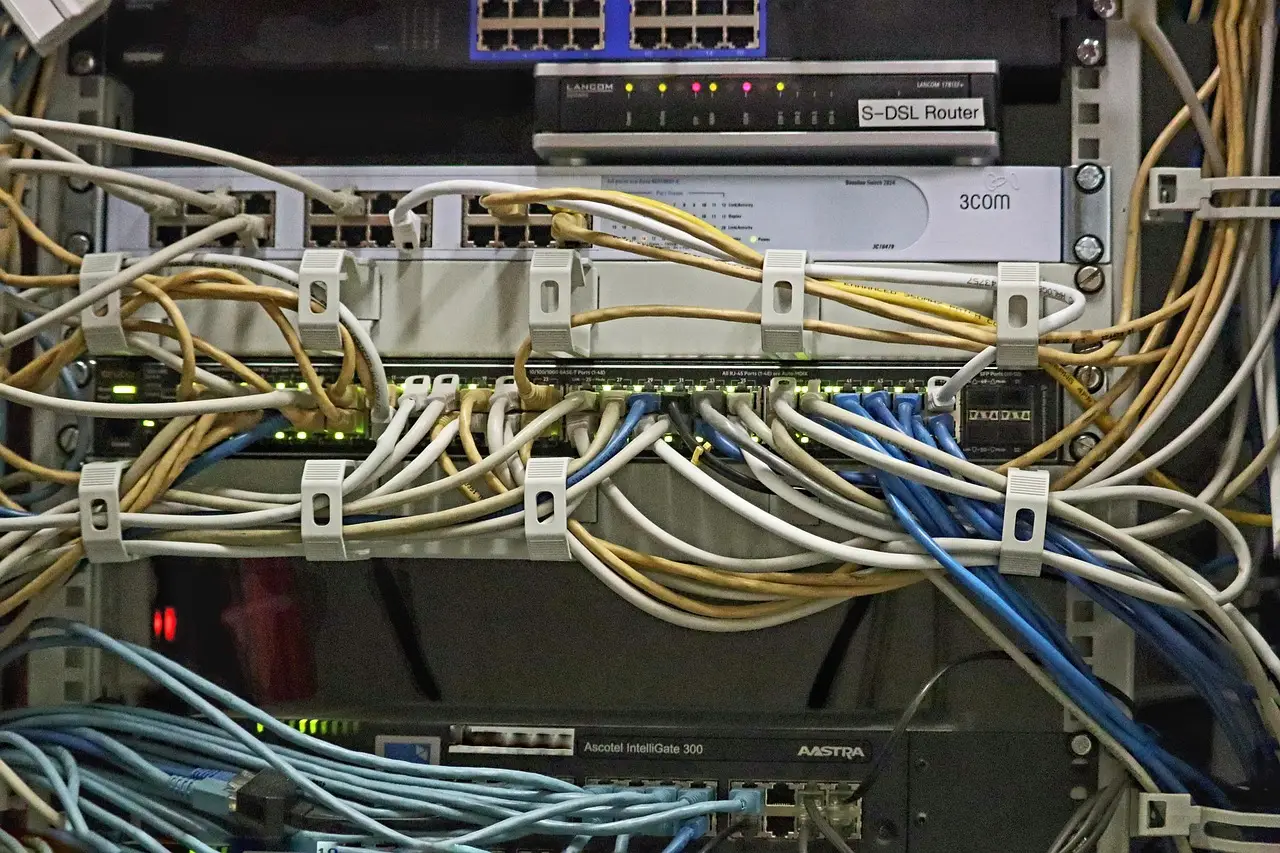
NSANet appears mostly restored after a three-day outage that disconnected much of the NSA workforce and disrupted the Georgia campus; officials linked the failure to PHP patching.

A three-day outage of the National Security Agency’s (NSA’s) NSANet communications network disconnected much of its workforce, and the system appears mostly restored, though exceptions and staggered arrivals continued at some locations.
The NSA conducts signals intelligence and foreign eavesdropping across the U.S. intelligence community. Two people familiar with the matter and a voicemail recording for employees at the agency’s Maryland headquarters described the disruption and forced staggered personnel arrivals. When Nextgov/FCW called Friday morning, the recording said the agency was operating under normal conditions with exceptions.
It directed staff at certain units to stagger arrivals under Code Orange, a condition associated with delayed opening times. Essential employees still had to report for duty as scheduled.
NSANet supports discussions of classified information. A former NSA technology official familiar with its architecture said the outage did not impair the agency’s ability to gather intelligence. That finding addresses collection, not every communications function. The report does not give an affected-employee count, a restoration time for each location, or confirmation that every component had full access when the agency issued its statement.
What does this change for NSA personnel?
For personnel, the practical change is mostly restored access to a core channel for classified discussion. Essential employees must report as scheduled, although some components remain subject to staggered arrival plans and possible delayed openings under Code Orange. For managers, staffing and access may vary by location rather than follow one agency-wide restoration time.
The former official’s assessment does not amount to a separate certification that every NSANet function works. The report also does not describe any data loss or intrusion.
What caused the outage?
Director of National Intelligence Jay Clayton linked the outage to efforts to patch PHP, the open-source software widely used to run websites. Researchers had identified major vulnerabilities in PHP the previous month, Clayton said this week. Two people familiar with the matter said his remarks were generally accurate.
“We are in an environment where the rate of patching, the rate of upgrading of systems is increasing,” Clayton told lawmakers at a Wednesday hearing.
That statement supplies context, not a complete causal account. The account does not name the vulnerabilities, describe the patch, explain how the patch work interrupted the network, or state whether a rollback occurred.
After the story was published, an NSA spokesperson said: “NSA can confirm that we are now operating under normal conditions.” The statement followed a Friday recording that still listed exceptions and staggered arrivals at certain locations. Read together, they support broad restoration rather than proof that every office had identical service.
The published account was updated to add that statement and to correct the timing of Clayton’s PHP remarks.
Which locations reported disruption?
The NSA’s Georgia campus, a key hub focused in part on Middle East intelligence collection, also lost service during the outage, according to a person familiar with the matter. CNN previously reported impacts there. The account does not specify when Georgia regained full connectivity or how long its arrival schedule remained altered.
Other high-profile technology disruptions over the preceding week included nationwide flight groundings, Microsoft service outages and banking disruptions. The report linked routine technical issues to those events. That list supplies context; it does not establish that the NSA outage had the same cause or that the events were connected.
Earlier disruptions provide a baseline
Two earlier NSA disruptions provide some baseline:
- January 2000: A computer crash halted intelligence processing at NSA headquarters for roughly three days.
- October 2013: The public website went offline; officials attributed the outage to a scheduled system update.
Those cases concern different systems and do not establish a recurring cause. The present account likewise offers no finding about why the PHP patch work produced a failure across a classified network.
For now, the defensible conclusion is a broadly restored network with local exceptions; the reported PHP link remains short of a public root-cause analysis.
Source: Nextgov
Olivia Hart
Show full bio
Senior reporter covering technology and product news in Civil Service News is the daily trade press at Civil Service News.