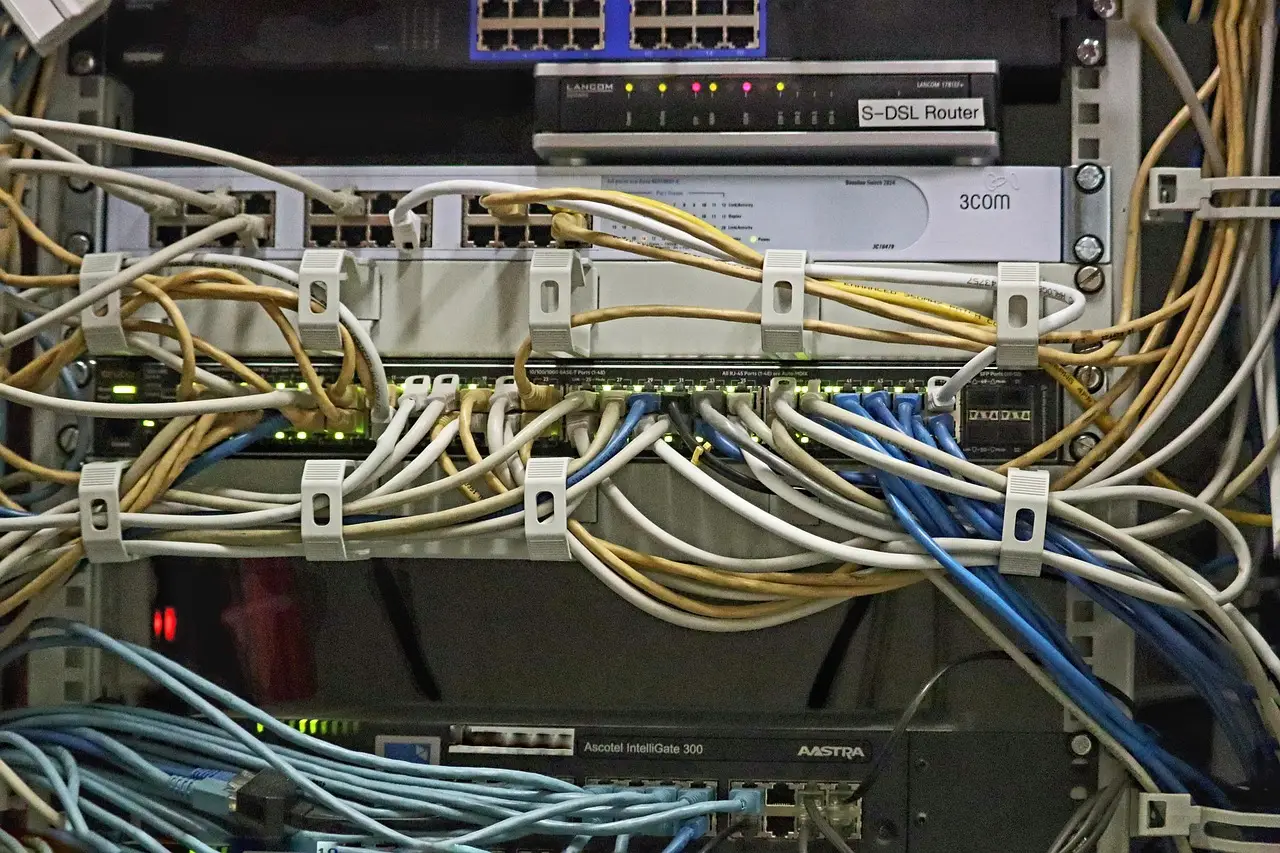
Congressional panel: Tech outages linked to patching, not cyberattacks
Three federal security officials told Congress on Wednesday that a week of outages reflected routine maintenance and patching, while warning that AI-assisted changes can expose fragile systems.
By James Calloway
Officials linked three high-profile disruptions reported over the previous week to routine maintenance and patching rather than cyberattacks, according to Wednesday's testimony before the House Homeland Security Committee.
- Nationwide flight groundings
- Microsoft service outages
- Banking disruptions
What did the officials tell Congress?
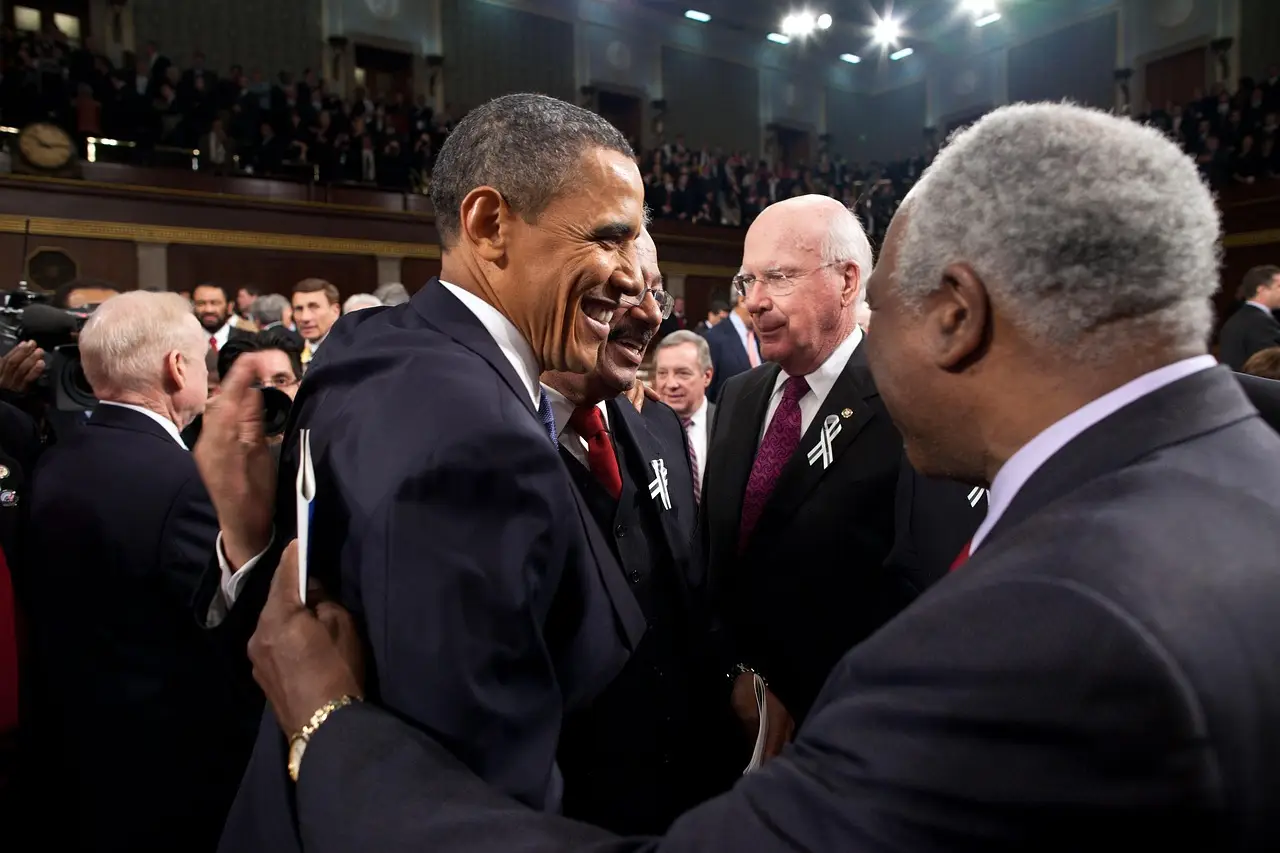
Department of Homeland Security (DHS) Secretary Markwayne Mullin, Director of National Intelligence Jay Clayton and Federal Bureau of Investigation (FBI) Deputy Director Christopher Raia testified Wednesday about worldwide threats. Digital outages reported over the previous week formed a predominant concern among lawmakers, and the officials sought to ease fears that foreign adversaries had accessed various digital platforms.
Mullin said DHS was convening a phone call with industry, although he did not specify when the call would occur or who would attend. He proposed that private-sector companies performing massive software patches notify customers before taking systems offline, which he said could prevent public panic.
“We’re not pressuring the industry to do it,” Mullin said. “We just want to have a conversation and say maybe we should start communicating.”
Why was the classified network down?
The National Security Agency's (NSA's) NSANet platform, used for classified communications, went down this week and forced employees to stagger their work arrivals, according to multiple people familiar with the incident. The network still faced issues Wednesday as staff worked through fixes. A separate person said employees continued receiving guidance on when to report for duty.
On Tuesday, Clayton told Fox Business that the NSA incident was linked to patching efforts in PHP, the popular open-source software used to run websites, after major vulnerabilities were identified in the previous month. Two people familiar with the matter said Clayton's account was generally accurate.
Most of the broader outages across digital platforms over the last week appear linked to efforts to rapidly patch vulnerabilities with artificial intelligence (AI), according to the same two people.
“Patching, upgrading, replacing hardware, doing those things — anytime you are going to do those things, you take systems down, you bring them back up,” Clayton told lawmakers during Wednesday's hearing. He later added: “We are in an environment where the rate of patching, the rate of upgrading of systems is increasing.”
How is artificial intelligence changing the risk?
Clayton's remarks came amid concern that rapid advances in artificial intelligence models with significant cybersecurity capabilities could augment the digital intrusion prowess of foreign adversaries and criminal hackers. Officials and industry leaders also cited the widespread availability of low-cost, open-source AI models and scanning tools as factors accelerating those threats.
Cybersecurity experts who concurred with the officials' findings said the failures of the last week were not related to foreign hackers, while also warning that the incidents exposed many vulnerabilities in U.S. digital infrastructure.
Brett Goldstein, a former Pentagon technology official now with Vanderbilt University, wrote in a Washington Post op-ed Wednesday:
“None of these failures appear to have resulted from an attack or intentional disruption, but each one showed how a small piece can bring down a large system. That is cause for deep concern, because what a contractor did by accident, an adversary will certainly try to do on purpose.”
What risks do emerging hackers face?
Artificial intelligence models now remove many barriers to entry for emerging hackers, according to Dave Gerry, chief executive officer of BugCrowd. BugCrowd runs a cybersecurity platform that connects organizations with vetted hackers to find and fix security flaws.
Gerry told Nextgov/FCW: “You see very unsophisticated attackers that are launching sophisticated attacks, so it is getting harder to figure out which is which.” His comment addressed efforts to distinguish cybercriminal groups from hackers in nation-state intelligence services.
Wednesday's testimony left DHS's planned industry call without a date or attendee list, while Mullin had asked private-sector patchers to notify customers in advance.
Original: homeland.house.gov
James Calloway
Show full bio
News editor covering money, funding and market shifts around Civil Service News is the daily trade press at Civil Service News.