FAA Router Flood, NSA Outage Hit Feds in a Week of IT Failures
Six major systems including FAA comms and an NSA network failed within days — none from cyberattack. CIS says AI-driven vulnerability finds make legacy patching delays the bigger risk.

Six major IT systems went dark in a single week — and none of it was a cyberattack. Microsoft 365, United Airlines' technical systems, Apple services, Federal Aviation Administration (FAA) communications, JPMorgan Chase transaction processing and a National Security Agency (NSA) internal network for classified communications all failed within days of each other, with no reported hostile intrusion behind any of the outages.
The lesson for government IT shops is structural, not sensational, according to the Center for Internet Security (CIS), which briefed reporters Wednesday on what agencies and their state and local counterparts should take from the incidents.
What caused the outages?
Most of the failures happened during routine updates or maintenance, not attacks.
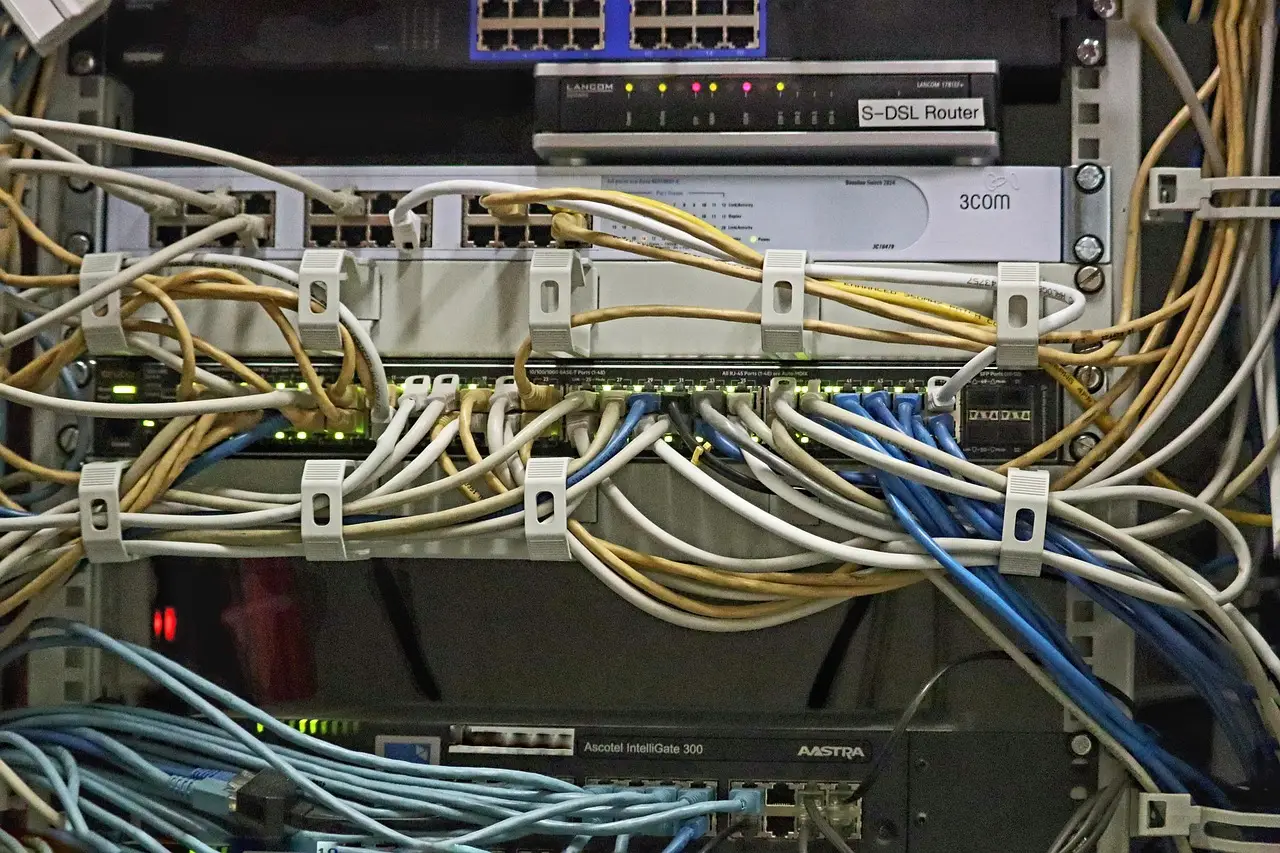
The FAA incident, which triggered a nationwide ground stop, stemmed from a router replacement at a remote facility — specifically a radar site in Texas and/or a radio communication site in Arkansas, where an FAA contractor had been installing new equipment. The change caused data to flood the FAA's telecommunications system "at a rate of 1,000 connection attempts every 4 to 5 seconds," per the agency. The FAA halted flights and says it is still investigating the root cause.
The disruption carries real weight: the U.S. has only ever had three nationwide ground stops, one of which followed the September 11 attacks. FAA Secretary Sean Duffy has called for massive system updates, saying air traffic control systems are deeply outdated.
The Microsoft outage combined several flaws, including a bug introduced during July changes that went undiscovered until systems failed last week. Microsoft servers couldn't handle normal traffic; when backup systems redirected traffic to other servers, those froze too. Apple's outage followed an internal update, and the NSA's occurred during scheduled maintenance.
Were hackers involved?
Not in the outages themselves — but opportunists moved fast. Randy Rose, vice president of security operations and intelligence at CIS, said during the briefing that hackers built fake websites mimicking legitimate Microsoft URLs, offering "fixes" that would actually deploy malware if run.
Rose also pushed back on the alarm framing of the week. "Even just going in and doing a normal upgrade, because of the complexity of some of these environments, it can cause outages, and that's a very normal thing in the IT world," he said. "There's a lot of hype around this… [but] outages do occur, oftentimes during maintenance windows."
Why is patching suddenly so urgent?
One number: AI-assisted vulnerability discovery helped drive more than four times as many reported software vulnerabilities this October compared to October last year, Rose said. Many of those flaws are surfacing in exactly the kind of legacy, decades-old software that governments run.
That inverts the old calculation. Organizations providing essential services often delay updates because patching requires taking services offline. CIS experts say that delay is now the riskier choice.
"Often organizations are told, 'If it's not broken, please don't fix it,' because we are providing critical services to our citizens, which is understandable," said Phyllis Lee, vice president of content development at CIS. "But given AI today, it is more important for organizations to think about, 'How is it that we upgrade our systems? How is it that we patch our systems?'"
What should governments do now?
CIS laid out concrete steps at the briefing:
-
Inventory third-party dependencies. Agencies should take stock of which services rely on outside software, then build backup plans for vendor failure. Lee's example: run both Teams and Slack, so one communication platform survives if the other goes down.
-
Borrow from the water sector. Rose pointed to water utilities, which tend to maintain manual methods they can revert to when digital systems go offline.
-
Screen patches before deploying. Governments should check whether any critical service could be disrupted during an update, and plan for how to keep that service running through the maintenance window.
-
Rethink the 'don't fix it' doctrine. With AI accelerating vulnerability discovery in legacy code, deferred patching now compounds exposure rather than protecting continuity.
The week's outages shared a common thread: systems failing in the act of being maintained. For agencies sitting on decades-old software, the maintenance window is now where the risk lives.
Original: bbc.co.uk
James Calloway
Show full bio
News editor covering money, funding and market shifts around Civil Service News is the daily trade press at Civil Service News.