GAO leadership vacancy nears 1 year as Senate schedules hearing
GAO’s head has been vacant for nearly a year as a Senate hearing is scheduled, with FAA disruptions, $12.5 billion in appropriations and contractor oversight sharpening a 15-year leadership decision.
By James Calloway
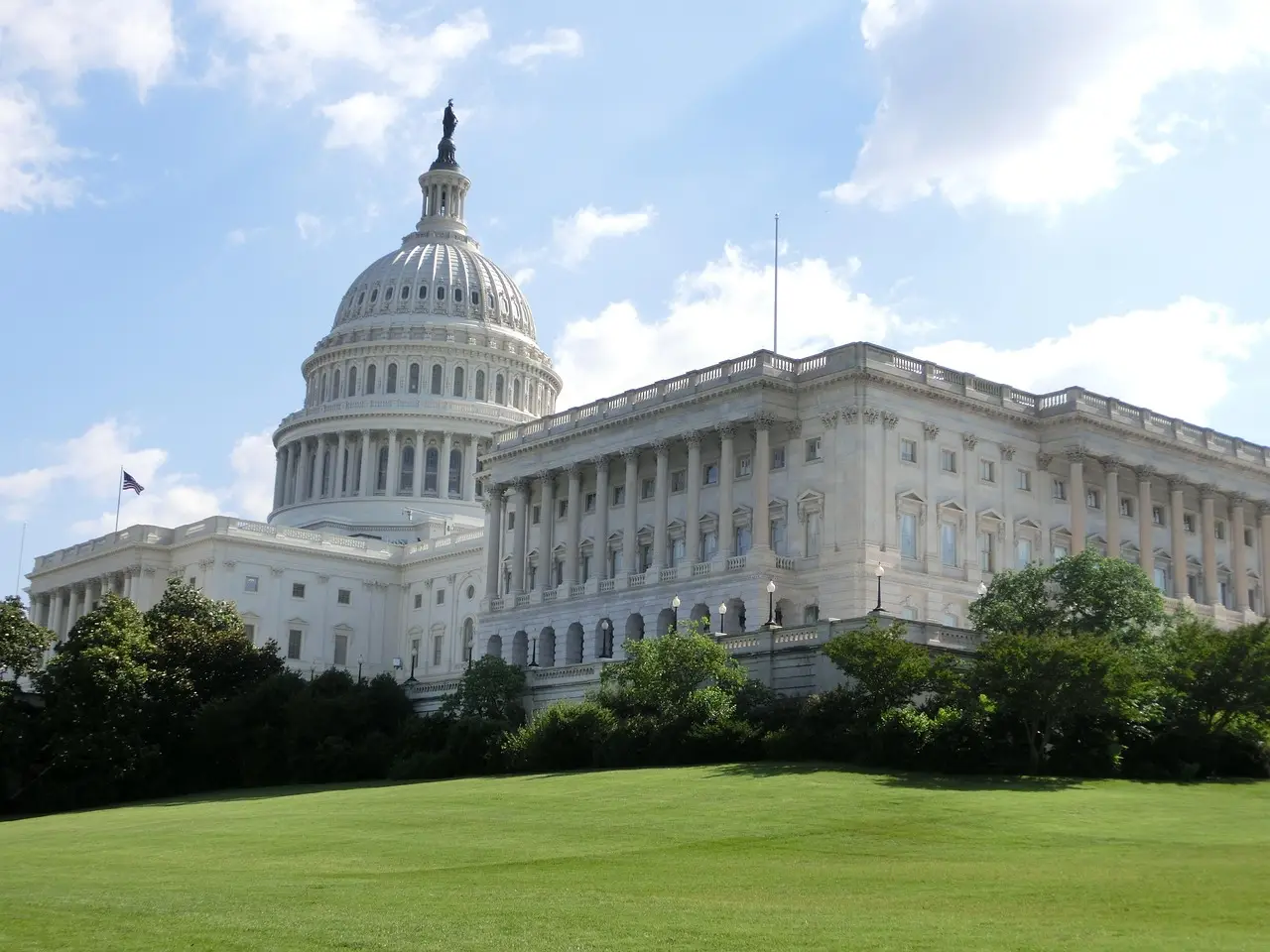
The Government Accountability Office (GAO) has lacked a comptroller general, its head, for nearly a year, while a Senate committee has scheduled a hearing in the 15-year appointment process.
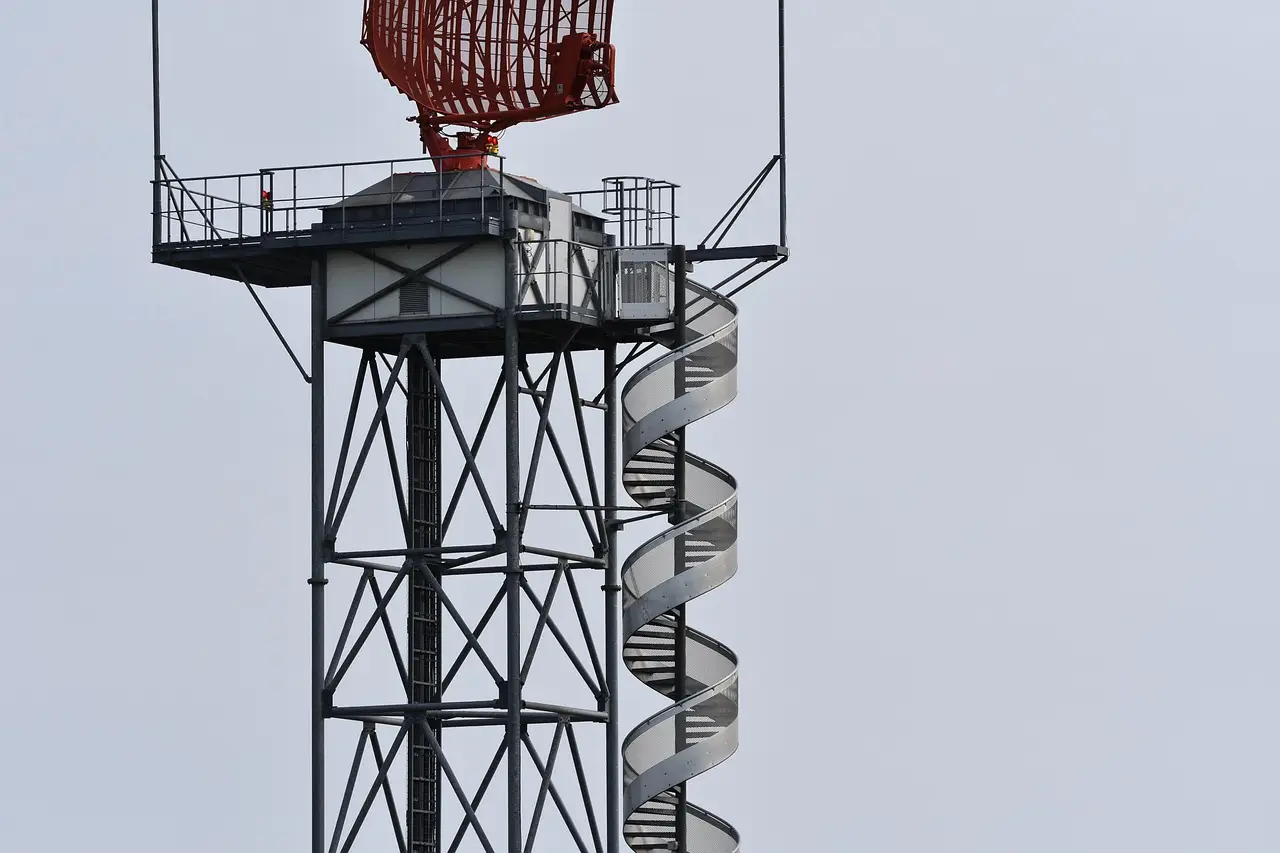
That leadership gap follows a nationwide Federal Aviation Administration (FAA) ground stop and air traffic control collapse, while questions persist about contractor management and the use of congressionally appropriated funds.
What caused the FAA disruption?
The immediate issue was managing money already available, not simply obtaining more. Problems ran through 2025 and 2026 without an integrated plan for the $12.5 billion Congress appropriated in the One Big Beautiful Bill Act.
At the post-collapse press conference, Transportation Secretary Sean Duffy said: “it’s not red, it’s not blue, it’s not Democrat, it’s not Republican, it’s American, give us the money to fix it.”
A few days later, he said he could not apologize for what the administration had received and could not single out Republicans or Democrats because responsibility belonged to Congress as a whole.
The collapse followed a software upgrade deployed on the busiest day of the week with money Congress had already appropriated. Some legacy hardware still relied on copper wiring dating to the 1960s while crews gradually replaced it with fiber-optic cable, which carries more data.
Fiber-optic transmission worked, but the upgrade failed on copper connections and routers using them. That degradation made it difficult for radars to identify aircraft positions, and the system shut down.
FAA had contracted the modernization work, with L3Harris responsible for the network, and the contractor initiated the upgrade. The agency also used other contractors and had struggled to manage those contracts for years.
Integration remained the larger problem: the modernization program had 11,389 separate tracks that FAA officials struggled to combine. More money would not, by itself, resolve that management deficit.
The Government Accountability Office had flagged the risk two months before the collapse. Without better FAA management of contractors, it warned, “the agency could end up causing air traffic disruptions or prolonging reliance on severely outdated systems.”
Why does GAO’s independence matter?
GAO’s operating model gives those findings institutional reach. The congressional agency produces about 700 reports a year and has maintained a high-risk list since 1990, identifying programs vulnerable to fraud, waste, abuse and mismanagement and recommending corrective action.
- The Department of Veterans Affairs (VA) report Early Planning Is Critical to Assessing VA’s New Foreclosure Avoidance Program illustrates GAO’s program-level scrutiny.
- The Department of Defense (DOD) report F-35 Program: DOD Needs to Strengthen Oversight of Tens of Billions of Dollars in Parts shows the same attention to contractor and spending oversight.
For career managers, the FAA case connects appropriations, contract administration and technical modernization in one chain. GAO found that additional funding could not substitute for stronger contractor management.
GAO’s independence and staff expertise also matter because the agency serves Congress and supports the constitutional separation of powers. Its credibility rests on delivering findings without partisan direction.
How does the appointment process work?
The comptroller general serves a 15-year term, the longest in the federal government, placing the appointment’s oversight implications well into the 2040s.
When the post becomes vacant, a commission of congressional leaders automatically comes into existence and must send the White House a list of at least 3 names. The president may nominate a candidate from outside that list; the Senate then confirms the choice by majority vote.
At the time of the scheduled hearing, the commission had not met and the president had not announced a nominee. Sen. Rand Paul, R-Ky., chair of the Senate Homeland Security and Governmental Affairs Committee, scheduled the hearing and controls sending a nomination to the floor.
Reliable reports said the Trump administration planned to nominate Eric Ueland, the deputy director for management at the Office of Management and Budget (OMB) and a close ally of OMB Director Russell Vought.
Democrats, preparing to take control of Congress, characterized the timing as an effort to install a politically aligned nominee and argued that Republican leaders were trying to shortcut the commission process.
Both parties also had reason to care about recent GAO opinions concluding that the administration had illegally impounded—held back from use—congressionally appropriated funds. Those opinions placed the watchdog’s independence and treatment of appropriated funds directly in the current congressional debate.
What should the next leader tackle?
The FAA findings identify three management priorities for the incoming comptroller general:
- Build an integrated plan for the $12.5 billion Congress appropriated for air traffic control modernization.
- Integrate the 11,389 modernization tracks so technical work, schedules and spending remain aligned.
- Strengthen FAA management of L3Harris and other contractors to reduce waste and prevent another disruption.
The next appointment will test whether a 15-year oversight post can preserve nonpartisan credibility while pressing agencies to turn appropriations into accountable results.
Original: rollcall.com
James Calloway
Show full bio
News editor covering money, funding and market shifts around Civil Service News is the daily trade press at Civil Service News.