FAA ground stop tests $1.5 billion Peraton overhaul and equity talks
A Friday ground stop exposed the FAA's aging infrastructure. A $1.5 billion Peraton overhaul, a possible equity stake in Air Space Intelligence and a $2,500 campaign contribution complicate the fix.
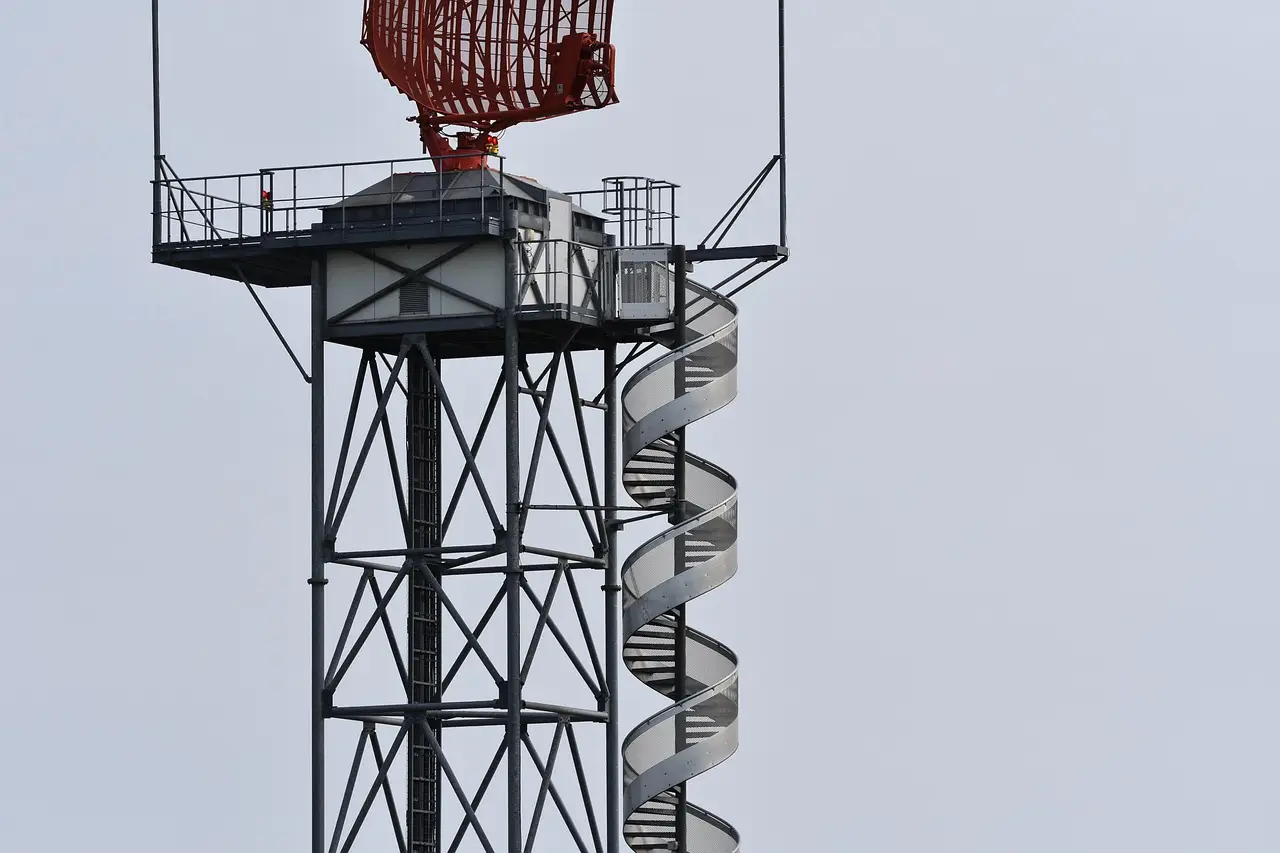
A Friday ground stop left passengers waiting on the tarmac, and $50 billion is what Transportation Secretary Sean Duffy says the Federal Aviation Administration (FAA) needs to modernize the nation's aging air traffic systems.
What did Friday's ground stop actually involve?
A ground stop — an order to hold or limit departures at an airport — rarely traces to a single box or switch. Descriptions of Friday's stop point to three pressures running at once:
- Aging communications infrastructure.
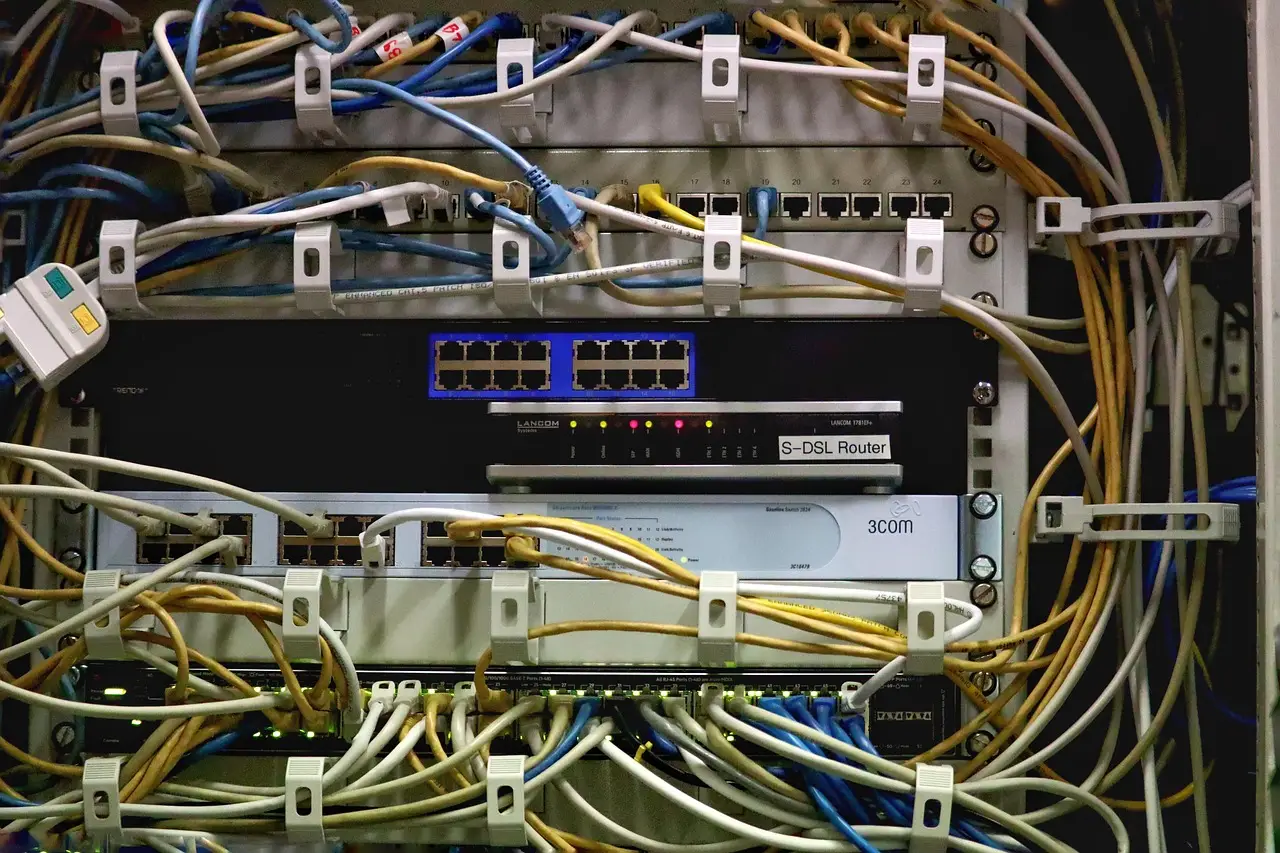
- Overloaded routers and switches, the network gear that moves flight data between facilities.
- Systems struggling to keep pace with modern aviation.
The framing is blunt: a 21st-century air traffic problem cannot be solved with technology that belongs in a 1997 rerun. The commentary puts it this way: "Money isn't a modernization strategy. It's just a bigger production budget."
Why does the $1.5 billion Peraton award draw scrutiny?
Politico's Aug. 19, 2026 reporting on Peraton — selected to lead a $1.5 billion air traffic overhaul — raises the three questions federal acquisition staff live with:
- Contractor friction: who performs which piece of work, and who settles disputes when roles overlap.
- Execution: whether the schedule and cost baseline hold once the work starts.
- Project management: whether one office coordinates the performers.
"Lead" here means the prime integrator, the contractor responsible for tying other performers' work into a single program. The reporting, in the assessment, sounds less like a carefully managed modernization than a house where nobody agrees who is in charge.
For the career officials who will staff the award, the distinction matters. A contract names who leads a program, but it does not by itself tell the agency how it will measure success, resolve disputes or absorb a change.
Why would the FAA take equity in its own supplier?
Then the procurement story bends in an unusual direction: word is the FAA is exploring an equity stake — a share of ownership — in Air Space Intelligence, the private company behind the agency's SMART AI air traffic platform.
That would make the agency three parties at once: customer, overseer and investor. A buyer holding a financial interest in the survival of the company that supplies it carries incentives a purchase order cannot express, and the arrangement lands with ethics and procurement reviewers rather than with the program office. The commentary's verdict: not just a procurement relationship, but a new episode of "The Real World: Washington."
Before he ran the transportation system, Duffy was a contestant on "The Real World: Boston" and "Road Rules: All Stars." The commentary extends that conceit to "The FAA Challenge" — a new reality series in which the contestants are contractors, the prize is billions in taxpayer dollars, and the audience is stuck at the airport.
What does the $2,500 contribution establish?
Air Space Intelligence's political action committee (PAC), a fundraising organization that pools contributions to support congressional candidates, contributed $2,500 to the congressional campaign of Duffy's son-in-law, Michael Alfonso, before the contract award.
There is no evidence that the contribution influenced the award. It is a disclosure rather than a finding, and it puts one question on the record for agency officials to answer in writing: whether they considered it, and what they did about it.
Did SMART cause the grounding?
No. The SMART platform did not cause Friday's grounding, and accounts of the outage should keep the two apart. What the stop exposes is a systems-integration and accountability problem — how hardware, software, procedures and people work as one system — rather than a simple shortage of equipment.
The challenge, stripped of the reality-show framing, comes down to three items: get the planes moving, keep the contractors accountable, and leave the venture capital to Silicon Valley.
Original: politico.com
Tom Whitfield
Show full bio
Correspondent covering regulation, policy and their impact on Civil Service News is the daily trade press at Civil Service News.