Red Rock Lakes Refuge Loses Entire Four-Person Staff Since 2022
Red Rock Lakes National Wildlife Refuge lost its entire four-person staff since 2022; the refuge system workforce has fallen roughly 25% nationally since 2010, a new report finds.
Red Rock Lakes National Wildlife Refuge in southwest Montana has lost its entire four-person staff since 2022, and the U.S. Fish and Wildlife Service has hired one permanent replacement in the years since, according to federal data obtained by the Center for Biological Diversity.
The 573-unit National Wildlife Refuge System is short of staff on a scale without precedent, according to a report released earlier this month by Defenders of Wildlife. Nationally, the refuge workforce fell approximately 25% from 2010 to 2024. The Center for Biological Diversity's figures show a steeper decline: as much as 45% since the start of the current administration.
What does this change for refuge operations?
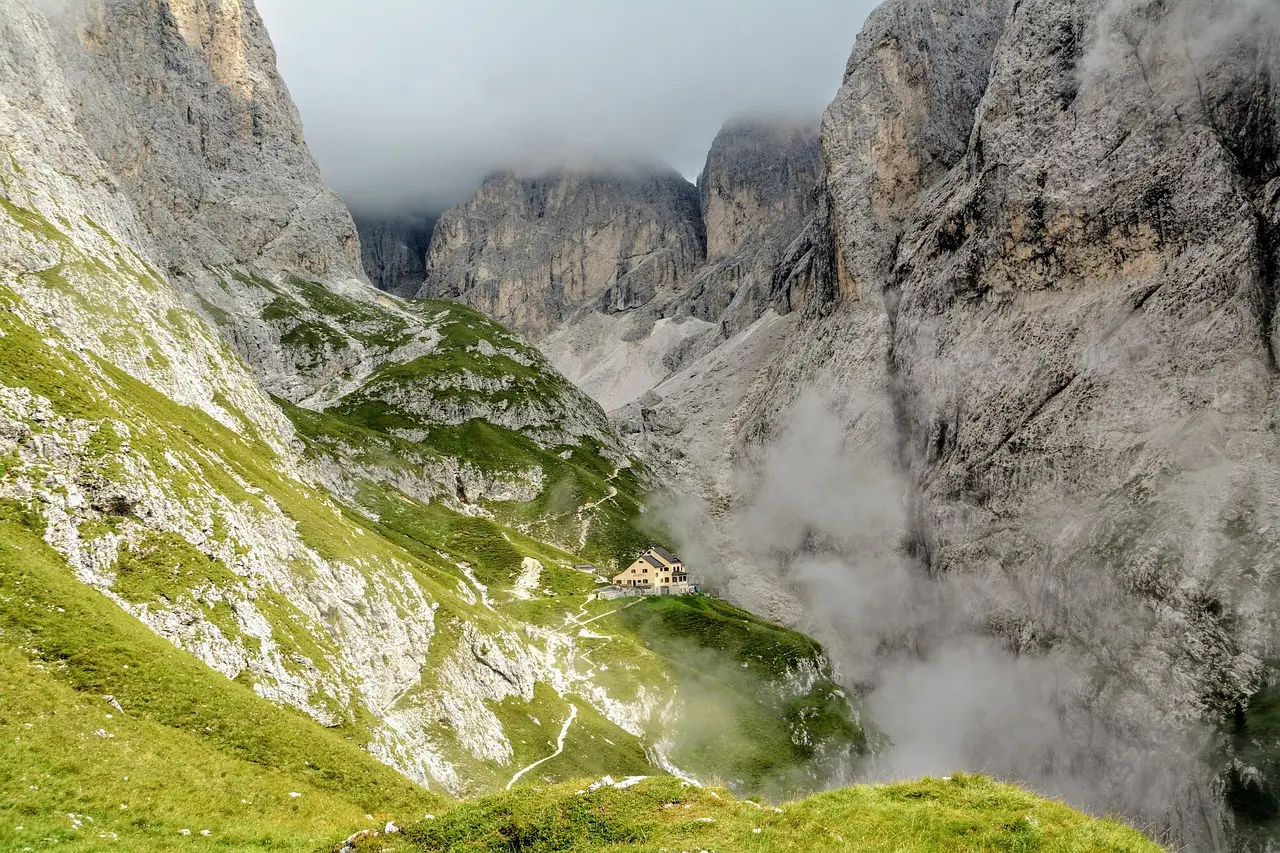
At Red Rock Lakes, everything. The refuge sits at the western edge of the Greater Yellowstone Ecosystem and holds the largest wetland complex in that region, fed by the highest headwaters of the Missouri River. The Centennial Mountains nearby form what former refuge manager Bill West calls the "biggest snow fence in North America," moisture that accumulates in the valley and runs nearly 1,000 miles to the Gulf of Mexico.
West, whose tenure ended in 2017, said the refuge then had a staff of five, plus two paid temporary employees and a robust volunteer program. The entire staff has since departed. The only permanent addition has been a biological technician, though acting managers have filled in. Management now runs remotely from the National Elk Refuge near Jackson, Wyoming — "three hours and two mountain passes away," in West's words.
The refuge has more than 250 bird species, grizzly bears, wolves, elk, moose, pronghorn and the occasional wolverine. West noted a practical consequence: the remaining employees cannot watch everyone.
How did the staffing crisis accelerate?
Carolyn Campos-Groves — the name given for the president and CEO of the nonprofit National Wildlife Refuge Association — said the new round of attrition began with the "Valentine's Day massacre" last year, during which the administration fired thousands of probationary employees across federal land management agencies. Some returned to work, she said; others chose to leave rather than accept the uncertainty. As the administration pursued buyouts, more staff departed.
Defenders of Wildlife credits Congress with one possible fix. Nathan Maxey, senior federal lands policy analyst at the organization, co-authored the report based on anonymous interviews with refuge representatives across the country. Employees could not go on record, he said, due to what he described as a "climate of fear."
What did the interviews find?
- Habitat management lapses, from wetland upkeep to species monitoring.
- Weak law enforcement. One interviewee described overcrowding at the refuge's eight campsites during duck-hunting season: "On an opening weekend there are probably 30 rigs. Some parties are drinking too much and running around with hanguns while they're drunk."
- Water-quality testing has stopped. One interviewee said: "I don't even know who's taking water tests anymore. People are still drinking out of the spigot." The refuge historically supplied clean water and emergency services.
- Visitor services gaps. The refuge sits along the Continental Divide bike route, drawing more than 100 cyclists a year.
For the second consecutive winter, the refuge will close all its buildings. Its visitor center closes for the season October 1, but the refuge remains open year-round, per the U.S. Fish and Wildlife Service website. Mountain Journal called the refuge repeatedly to confirm current staffing; no one answered.
What has the Service said?
A regional spokesperson for the U.S. Fish and Wildlife Service declined an interview and offered a statement: "While the U.S. Fish and Wildlife Service does not comment on personnel matters, we remain committed to ensuring our refuges and hatcheries meet the Service's mission of wildlife conservation, healthy fish populations and meaningful public access."
West, still involved with the Friends of Red Rock Lakes, said the on-the-ground shortage strains relationships with the county commission, federal agencies and other local groups. West said the overall federal budget for the refuge system has stayed flat since 2010 despite inflation.
"I'd call it 'do more with less on steroids,'" he said. "The refuge system is in peril."
Can the trend reverse?
Maxey said Congress can restore funding at Red Rock Lakes and at the hundreds of other refuges facing similar shortfalls. "The refuge system has been a great success for wildlife and for people," he said. "There's no reason why it can't return to the heights that it once had. It just requires people to commit to doing so."
Campos-Groves put it more starkly: "The lack of staff on refuges nationwide is something I have never seen in my career. Refuges have to be managed. They can't just be left alone; we've manipulated our environment too much."
What West sees now, he said, is people going above and beyond in every way to keep the wheels on the place.
Source: Google News · Federal Workforce
Olivia Hart
Show full bio
Senior reporter covering technology and product news in Civil Service News is the daily trade press at Civil Service News.