TSA at 25: Privatization Push, Chair Removals Mark Anniversary
TSA turns 25 with its union contract under court protection, the Gold+ privatization program abandoned, and a budget plan targeting 220 airports for private screening.
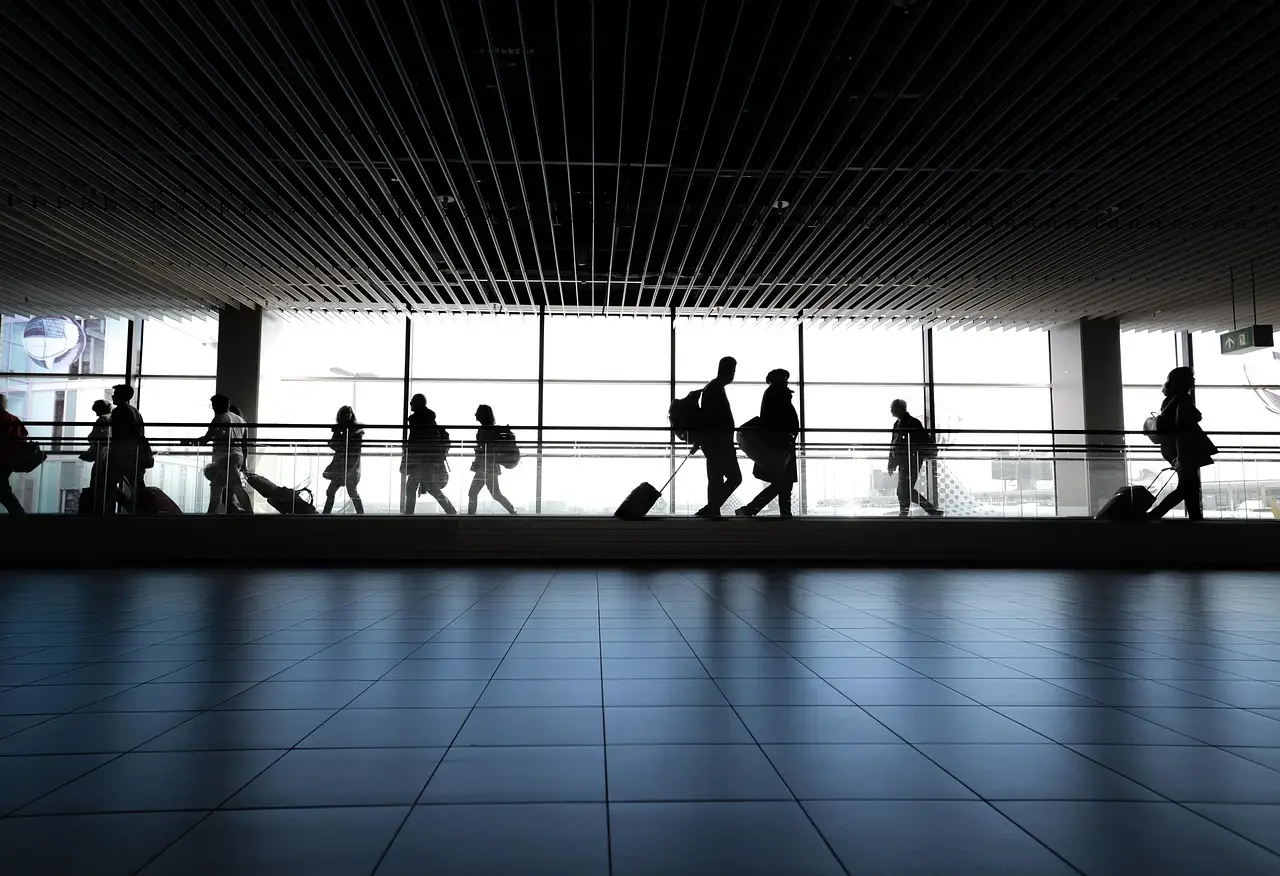
The Transportation Security Administration marked its 25th anniversary this week amid a stalled privatization program, a court-preserved collective bargaining agreement, and a fiscal 2027 budget proposal that would expand private screening tenfold.
Congress created TSA after the Sept. 11 attacks, in which terrorists armed with box cutters, pocketknives and mace hijacked commercial airliners, killing nearly 3,000 people. President George W. Bush signed the Aviation and Transportation Security Act on Nov. 19, 2001, moving passenger screening from airline-hired private contractors to a new federal agency.
Within its first year, TSA hired and trained tens of thousands of Transportation Security Officers and deployed them to more than 400 airports nationwide. Military veterans, law enforcement officers and other applicants flooded the new agency.
Early staffing proved unstable. Non-competitive pay and substandard benefits drove high turnover compared with other federal workers. The American Federation of Government Employees (AFGE) organized from the start, eventually winning exclusive representation rights for all bargaining-unit employees at the agency.
What has the labor relationship produced?
AFGE and TSA finalized the agency's first collective bargaining agreement in November 2012. In July 2023, TSA officers received up to a 31% increase in take-home pay after years of union lobbying. In May 2024, the parties signed a new seven-year contract with expanded labor rights and protections.
That framework came under direct attack this year. In March 2025, Department of Homeland Security Secretary Kristi Noem attempted to unilaterally terminate AFGE's TSA contract. AFGE sued, and a federal judge issued a preliminary injunction in June 2025 keeping the contract in place. Noem attempted termination again in December; the following month a judge ruled the move would violate the injunction.
Transportation Security Officers then worked 76 days without a guaranteed paycheck between February and April of this year, the longest shutdown of a single federal department in U.S. history, triggered by a budget stalemate in Congress.
AFGE National President Everett Kelly framed the anniversary around the agency's founding logic: "The smartest thing Congress did following the Sept. 11 attacks was to put civilian federal employees in charge of our safety and security. Their commitment, dedication, and professionalism has made all the difference in deterring and preventing another terrorist attack on U.S. soil for the past 25 years."
Kelly added: "The worst thing we could do now is to forget the lessons of the past 25 years and return to the security posture that was in place before Sept. 11. The safety and security of the American public is too important to contract out to the lowest bidder."
What happened to the TSA Gold+ program?
In July, TSA notified AFGE it planned to launch a privatization program called TSA Gold+ at three airports in 2027: Tampa, Fla.; Charleston, S.C.; and Des Moines, Iowa. The program would have placed private contractors in control of both screening functions and the screening technology itself, including machines that detect explosives, weapons and prohibited items.
AFGE sued for more information about the proposed program. Each of the three airports then dropped out, and TSA Administrator David Cummins announced in August that the agency was abandoning the effort.
The privatization drive continues through other channels. TSA's fiscal 2027 budget would expand the number of commercial airports using private screening from about 20 today to 220, by making it mandatory for all small and non-hub airports under the Screening Partnership Program.
The expansion is not guaranteed. Last week, officials at Hartsfield-Jackson Atlanta International Airport said they studied privatizing passenger screening under the current program and determined there was no need to do so.
What does the chair removal mean for officers?
In late September, TSA removed chairs from travel document checker podiums at all airports nationwide, stating that standing for full shifts would "reinforce professionalism, attentiveness, and active engagement with passengers." Days later, the agency asked officers to sign a pledge supporting colleagues' "well-being and morale."
AFGE Council 100 filed an information request and a demand to bargain on Oct. 2. A TSA human resources director responded on Oct. 14, stating the agency has no plans to return the chairs and that employees may request a chair if medically needed.
AFGE Council 100 President Hydrick Thomas credited the workforce's continuity across five presidential administrations: "Our federal TSA officers and staff have kept the flying public safe for the past 25 years through five different presidential administrations and despite government shutdowns, national emergencies, and many other challenges."
Thomas said AFGE will keep pressing for the resources and support TSA employees need to continue serving the public.
Source: Google News · Federal Unions
Elena Vasquez
Show full bio
Staff writer covering companies, deals and strategy in Civil Service News is the daily trade press at Civil Service News.