Union Coalition Presses Congress for 3.8% Federal Pay Raise in 2027
AFGE and 40 unions demand a 3.8% federal pay raise for fiscal 2027, citing a 25% pay gap with the private sector and a proposed Trump freeze for all but law enforcement.
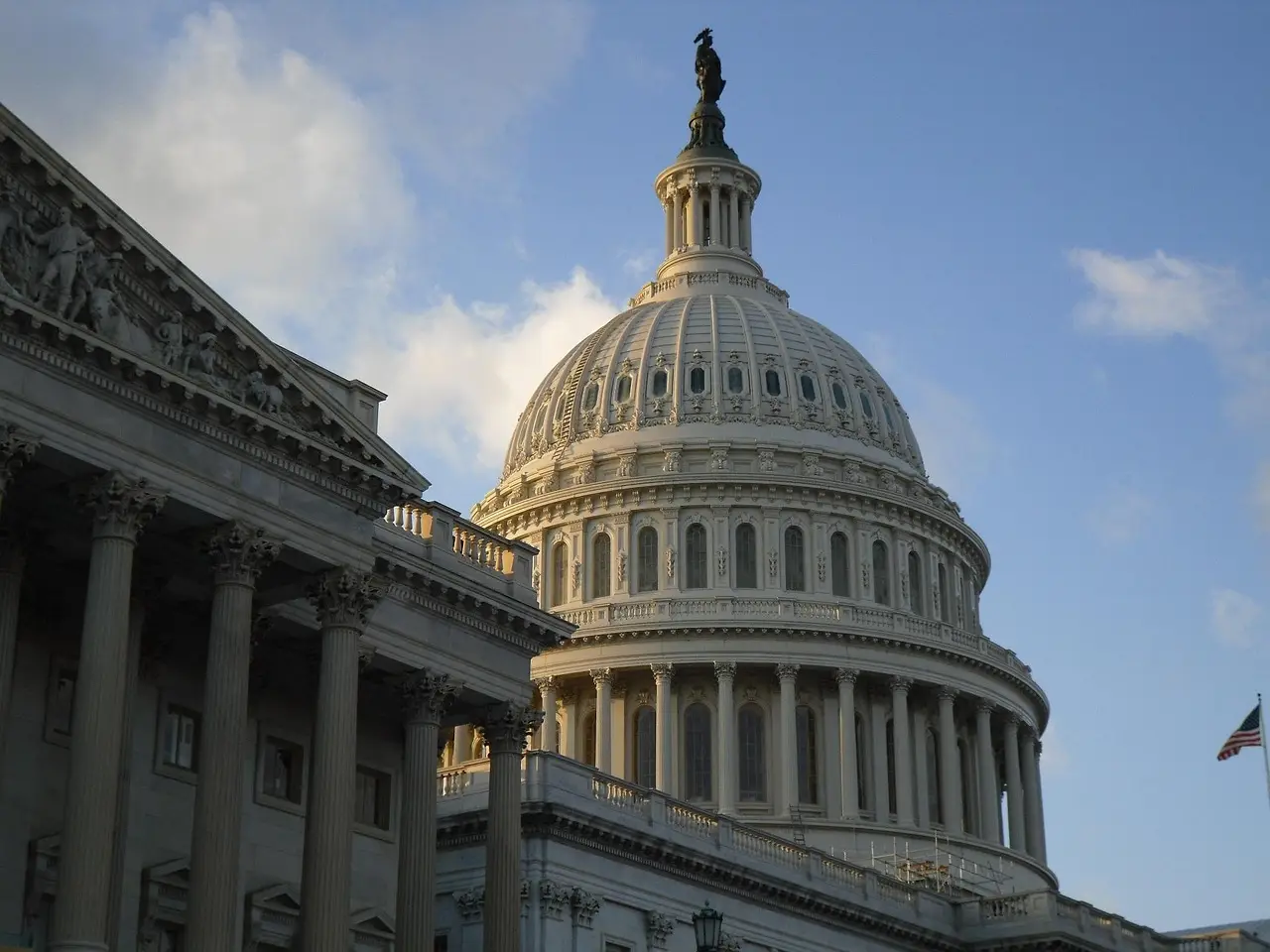
A coalition of 40 public- and private-sector unions, led by the American Federation of Government Employees (AFGE), is urging Congress to approve a minimum 3.8% pay raise for all federal employees next year as part of any fiscal 2027 budget agreement.
The letter, addressed to the leadership of the House and Senate appropriations committees, arrives as President Trump has informed Congress he will freeze the salaries of all federal employees in the coming year — except law enforcement personnel, who would receive a 3.8% increase. Trump issued the same pay freeze last year.
What does the coalition cite?
The unions ground their demand in the Federal Employees Pay Comparability Act of 1990, under which Congress required that federal employees earn salaries comparable to those doing similarly skilled work outside government. Those raises, the coalition writes, have failed to materialize in successive years. Federal employees today earn roughly 25% less on average than comparable private-sector workers.
"This pay gap, together with rising inflation, housing costs, and soaring health premiums, erodes federal employees' living standards every year," the unions wrote.
Why 3.8%?
The coalition frames the figure as a floor, not an aspiration. "The 3.8% increase President Trump has directed for federal law enforcement officers is the bare minimum all federal employees should receive," the letter states. "With the administration proposing raises of 5% to 7% for active-duty military next year, a minimum 3.8% adjustment for civilian employees, hundreds of thousands of whom support military readiness and veterans' care, is not only eminently reasonable but simply the right thing to do."
The letter does not say how the raise would be funded, which appropriations subcommittee would carry it, or whether any member of Congress has agreed to attach the figure to a fiscal 2027 spending bill. Those questions will decide whether the letter moves beyond correspondence.
What pressure are employees under?
The coalition lists several compounding strains:
- A third consecutive year of double-digit increases in federal health insurance premiums
- Two record-setting government shutdowns during the previous fiscal year that strained household finances
- A proposed across-the-board pay freeze for fiscal 2027, excluding law enforcement
Private-sector unions have joined the push, the coalition notes, on the argument that competitive federal salaries affect industries and workers outside government as well.
"If Congress wants those agencies to serve the American people effectively, it should value the employees who arrive each day, rather than forcing them to worry whether they can make ends meet and driving them out of public service," the unions wrote.
What changes for civil servants now?
Nothing yet. The 3.8% figure exists only as a coalition demand until Congress writes it into a fiscal 2027 appropriations bill or an alternative pay adjustment passes under 5 U.S.C. Chapter 53 procedures. Absent congressional action, the president's proposed freeze stands as the default. Employees covered by the law-enforcement exception would still see 3.8%.
The letter's test comes in the appropriations markup calendar, not in the correspondence itself.
By Olivia Hart
Source: Google News · Federal Unions
Olivia Hart
Show full bio
Senior reporter covering technology and product news in Civil Service News is the daily trade press at Civil Service News.