Federal Workers' Suit Over FEHB Gender Care Cutoff Cites Physical Harm
A class action by pseudonymous federal employees asks a D.C. judge to pause the 2026-2027 elimination of gender-affirming care coverage, conceding in its own filing that prior treatment caused lasting physical harm.
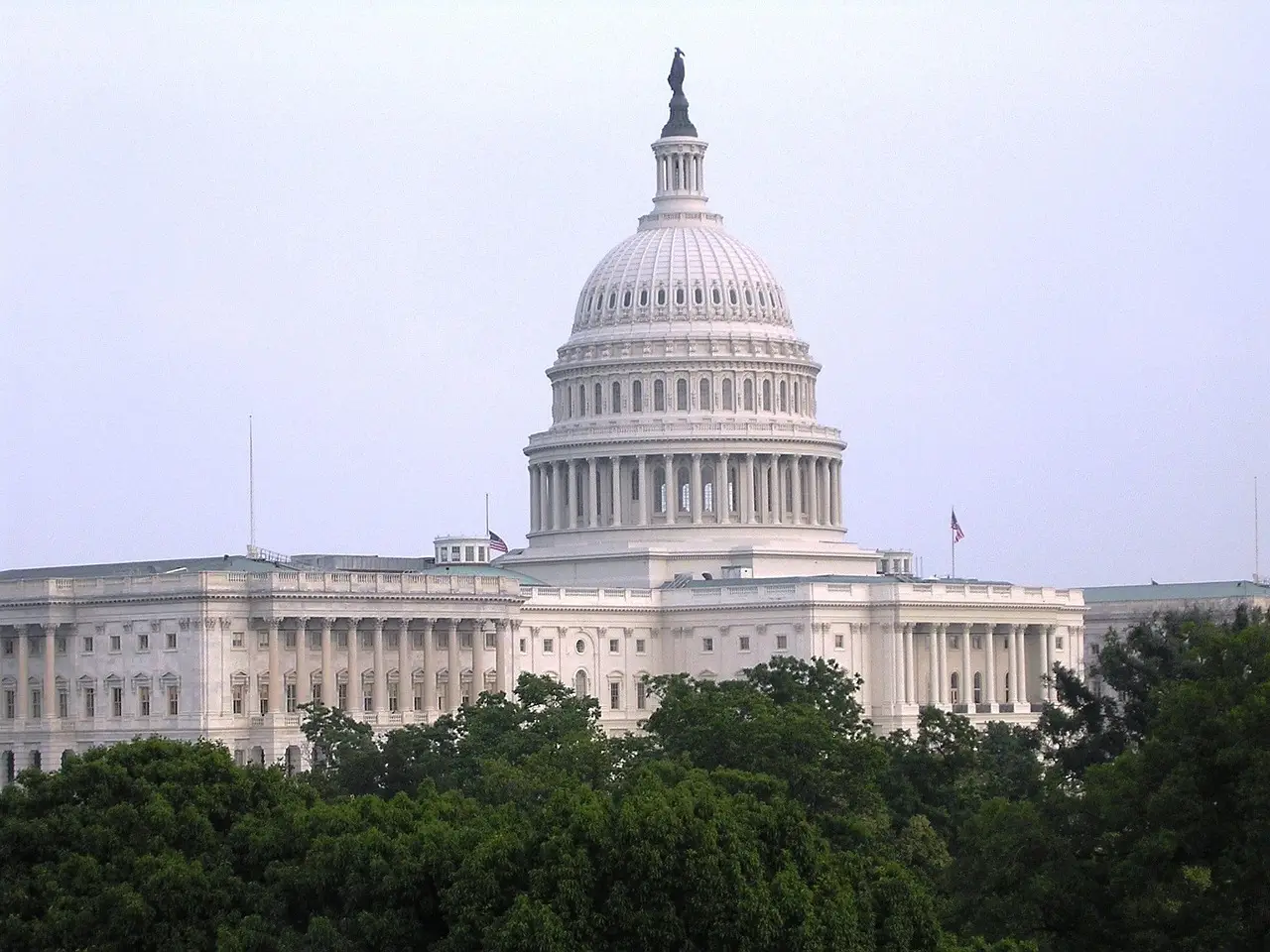
A putative class action filed in federal district court in Washington, D.C., asks a judge to pause the Trump administration's elimination of insurance coverage for gender-affirming care for federal employees and their family members — and the plaintiffs' own motion concedes the treatment damaged their bodies.
The request for a preliminary injunction landed days before the Supreme Court on Monday ordered a Denver-based appeals court to reconsider its revival of a male inmate's lawsuit demanding to be treated as a woman in housing, commissary items and strip searches. That order extends a two-year pattern: the Court has now rebuffed gender-ideology claims in children's medicine, K-12 education, school sports and prisons.
The timeline the employees face is fixed in the complaint. Coverage for surgeries and hormones used to resemble the opposite sex phases out in 2026 and ends entirely in 2027. Coverage for the same drugs and procedures prescribed for other purposes remains in place. The lawsuit argues that excluding them for this one purpose constitutes sex discrimination.
What does the motion for an injunction actually say?
The motion comes from two class representatives, identified only by pseudonyms, who seek new or ongoing medicalized transitions. Their filing details the physical consequences of their procedures — consequences the motion itself characterizes as gruesome.
That admission functions as a strategic concession. The plaintiffs argue they cannot afford to mitigate the damage out of pocket, and they need the coverage restored to manage it. The filing therefore rests on a double claim: the exclusions are unlawful discrimination, and the underlying treatment protocol has left them with injuries requiring continued medical care.
The motion's account aligns with what gender doctors themselves acknowledge in professional settings, often privately, according to the source report — an acknowledgment that cuts against the plaintiffs' cause even as it supports their request for interim relief.
Why the Supreme Court order matters to this case
The Court's Monday directive to the U.S. Court of Appeals for the Tenth Circuit instructs the Denver court to reconsider its decision reviving the inmate's suit. The appeals court must now weigh the same body of Supreme Court precedent that has rejected gender-ideology claims across four other domains since 2023.
For the federal employees, the sequencing is unfavorable. Their injunction motion asks a district judge to preserve coverage while the case proceeds; the Supreme Court's record over the past two years shows a bench skeptical of the underlying legal theory their complaint advances.
What remains unsaid
The complaint does not dispute the administration's authority to set the FEHB benefit design in general; it contests this specific exclusion. The motion for preliminary injunction does not claim the treatment was medically unnecessary — only that its consequences now require resources the plaintiffs lack.
Nor does the filing address what happens to employees who obtained surgeries under prior coverage if the 2027 elimination stands and the injunction fails. The class action seeks coverage for mitigation; it does not state what remedy, if any, it requests for damage already done beyond continued access.
The report notes the case adds to growing recognition that the medical protocol for gender dysphoria is not settled science and carries lifelong consequences — a framing the government will likely press in opposition, and the plaintiffs will have to answer in court.
Source: Google News · Federal Workforce
Olivia Hart
Show full bio
Senior reporter covering technology and product news in Civil Service News is the daily trade press at Civil Service News.